MIT Group Show Exposes the Fraught Politics of Labor
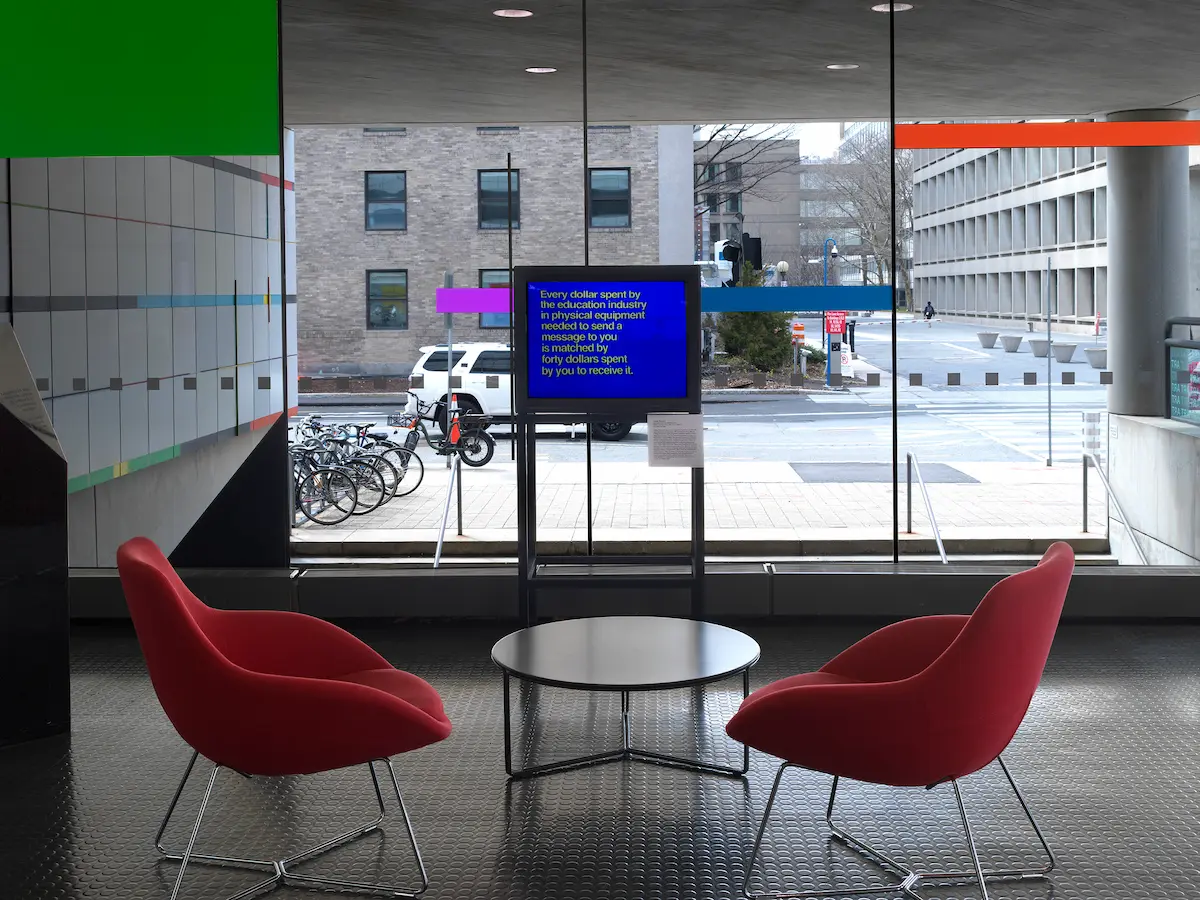
Cassie Thornton, Education Delivers Students, 2011. Installation view: Performing Conditions: Artistic Labor and Dependency as Form, MIT List Visual Arts Center, Cambridge, 2026. Courtesy the artist. Photo: Dario Lasagni.
How does the laborer reclaim power and autonomy in the face of dependency and debt? How does the artist? Is it possible for today’s creatives to condemn those ivory tower elitists that run today’s art world, all from within the purview of the “white cube” gallery? Performing Conditions: Artistic Labor and Dependency as Form confronts these questions head on and without apology. Co-curators Natalie Bell and Ramona Ngin are guided by Marxism, Black radical thought, socialist feminism and disability studies.
The works in this show go beyond a simple condemnation of capitalist exploitation, exploring all those nuanced tensions and gray areas in the relationships between laborer and client, debtor and owed. Each piece uncovers the fraught systems of contracts and dependency that are so foundational to their environment.
Not unsurprisingly, one of the most prominent dynamics explored in this show is that of the artist as laborer. Sophia Giovannitti’s Contract performance does what so many endeavor towards—what Susan Sontag has claimed art ought to be: “a thing in the world, not just a text or commentary on the world.”
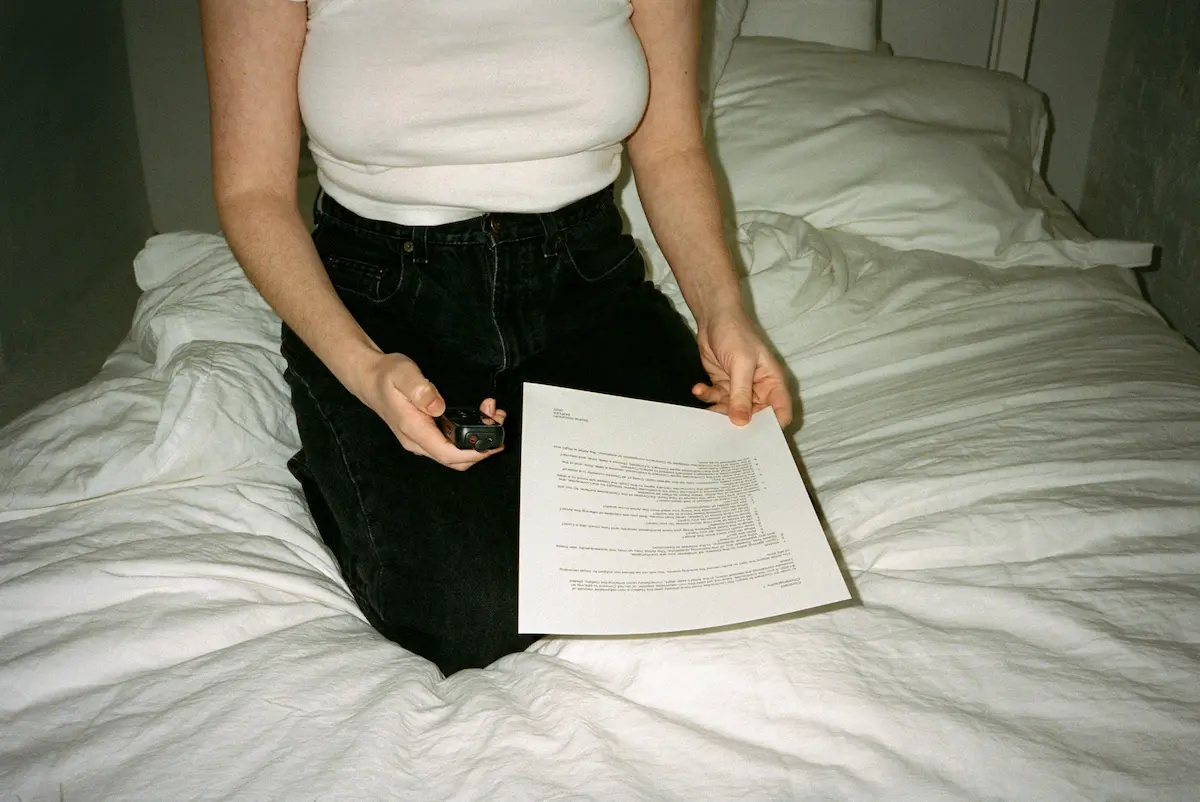
Contract: Choreography 1, 2022. Performance: Duplex, New York. Photo: Daniel Arnold.
In her performance, Giovannitti literally enacts a contractual agreement between artist and audience, with only those who pay around $1,000 permitted to engage in the interaction. This performance goes beyond its previous iterations, shifting the focus from abusive systems of control toward the artist’s autonomous pursuit of power—or simply the pursuit to have their basic needs met. She says, “The artist’s private sphere, de facto a site of extraction, becomes a site of negotiation. Debts are incurred and traded. Nothing is forgiven.”
While the works in Performing Conditions span a wide range, they are focused around the period following Occupy Wall Street (2011) and the labor organizing that followed. Offering a layered understanding of labor and its conditions, the works range across all sorts of artistic media, incorporating found material, performance, printmaking, concept, etc.
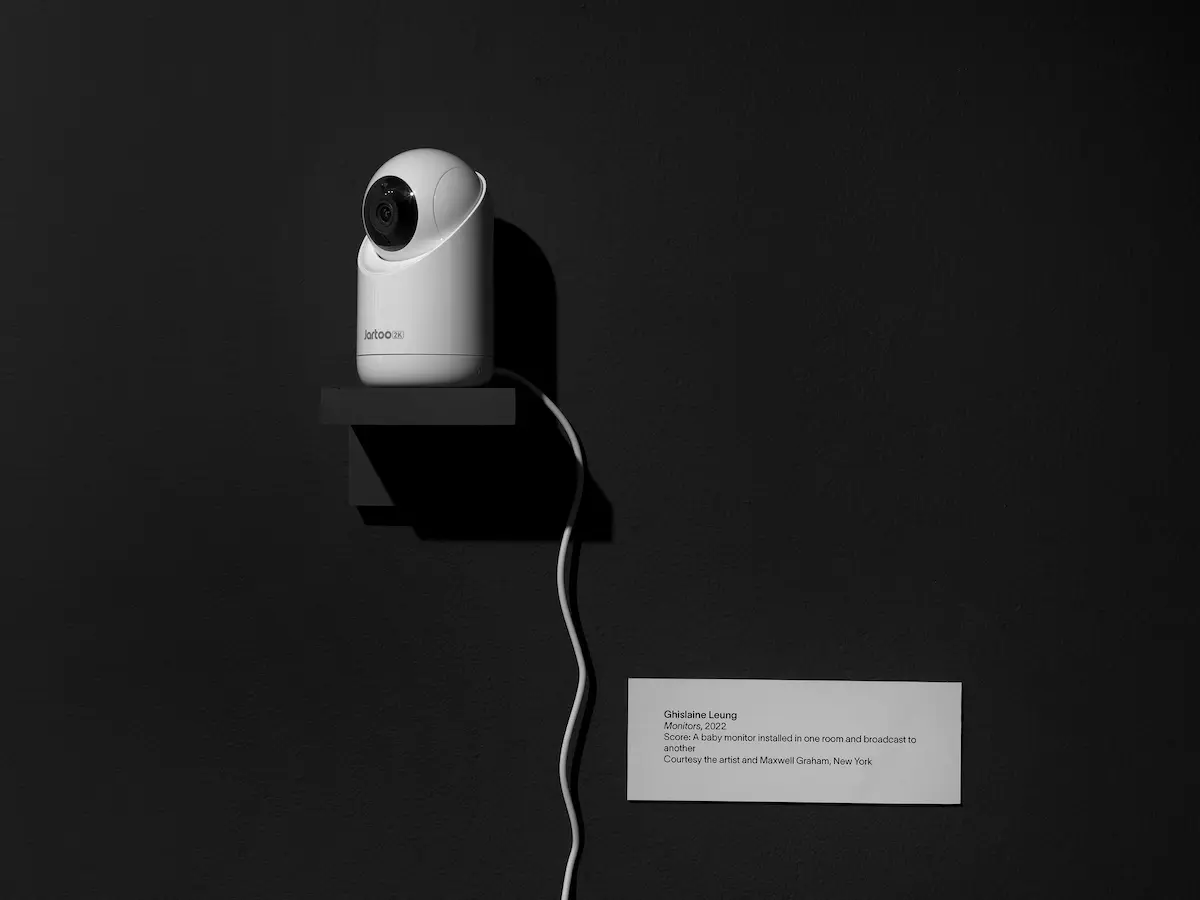
Monitors, 2022. All images courtesy of MIT List Visual Arts Center
Like many works in this show, Ghislaine Leung’s Monitors is entirely dependent on its participatory context. According to the brochure, a baby monitor is set up at Bakalar Gallery, a small space housing List’s film program and “an archival display of artists’ and students’ struggles,” and broadcast in the main galleries. The broadcast reveals the gallery is more than its shiny exterior, showing it as a site of vulnerability and labor. In regard to her practice Leung says, “I have a fantasy or speculation that I should be unlimited. Within that fantasy, limits are perceived as a hindrance—my financial ability, my need for stable employment, my commitment as a mother, my body, my political efficacy. But those limits, those dependencies could be turned around to become a resource for making artwork.”
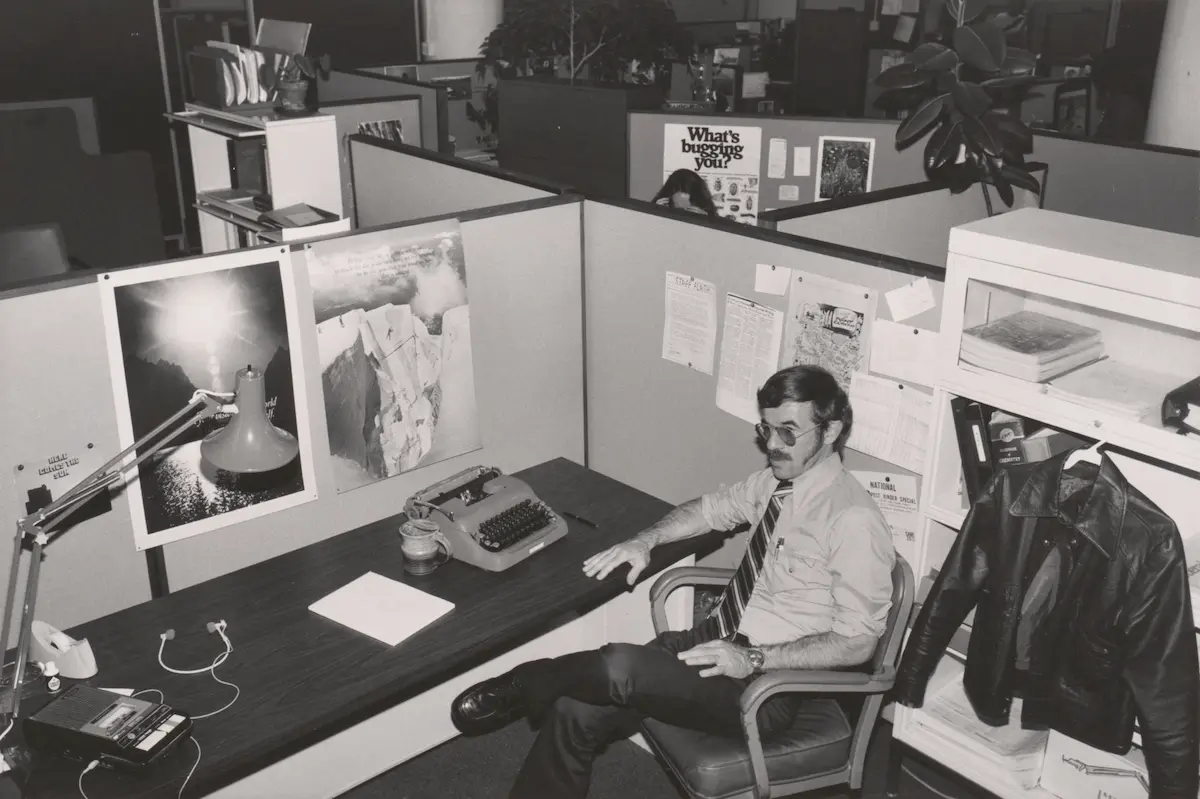
Artist Chauncey Hare is less optimistic, his photographs serving as scathing critiques of an increasingly elitist corporate world. Having gone from a mind-numbing day job to being a nationally acclaimed artist he said, “I couldn’t tell the difference between the offices and hallway at MoMA from the offices and hallway at Chevron.” Angered by the depoliticization of his work, he eventually abandoned the art world, leaving behind his photographs as a warning for burgeoning artists and elitists alike.
The range and potency of Performing Conditions: Artistic Labor and Dependency as Form sets itself apart from recent shows in today’s art world. As if in direct response to the outrage of laborers such as Hare, the exhibition reclaims art and performance as sites of political activation. At the very same instant, one can’t help but wonder about the show’s inaccessibility as a highly conceptual one—reliant on academic discourse and embedded within the elitist landscape which it criticizes. Regardless, this daring new show promises to provoke performer, gallery and audiences alike.